
 Pl
 Ru
 Uk


Designing a medical center is not only a matter of architecture and aesthetics, but also a deep understanding of the needs and expectations of patients, medical staff and visitors. Convenience and functionality of the institution, as well as the speed and quality of services provided, depend on how competently the space will be organized. Thoughtful design contributes to the creation of a positive atmosphere, helps to reduce patient stress and improves the overall efficiency of medical staff. It is also important to take into account safety requirements and compliance with sanitary norms.
Creating a modern design for a medical center
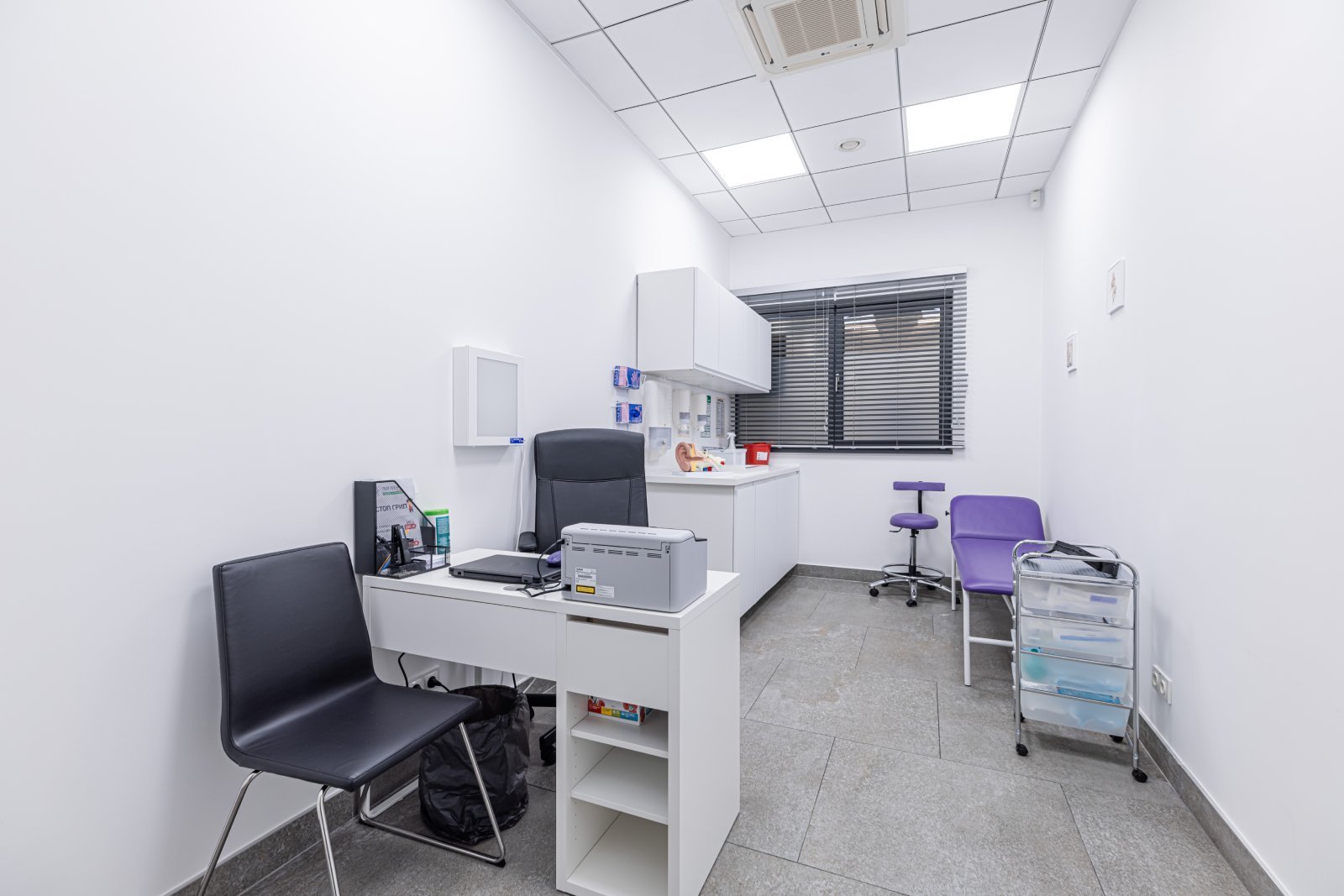
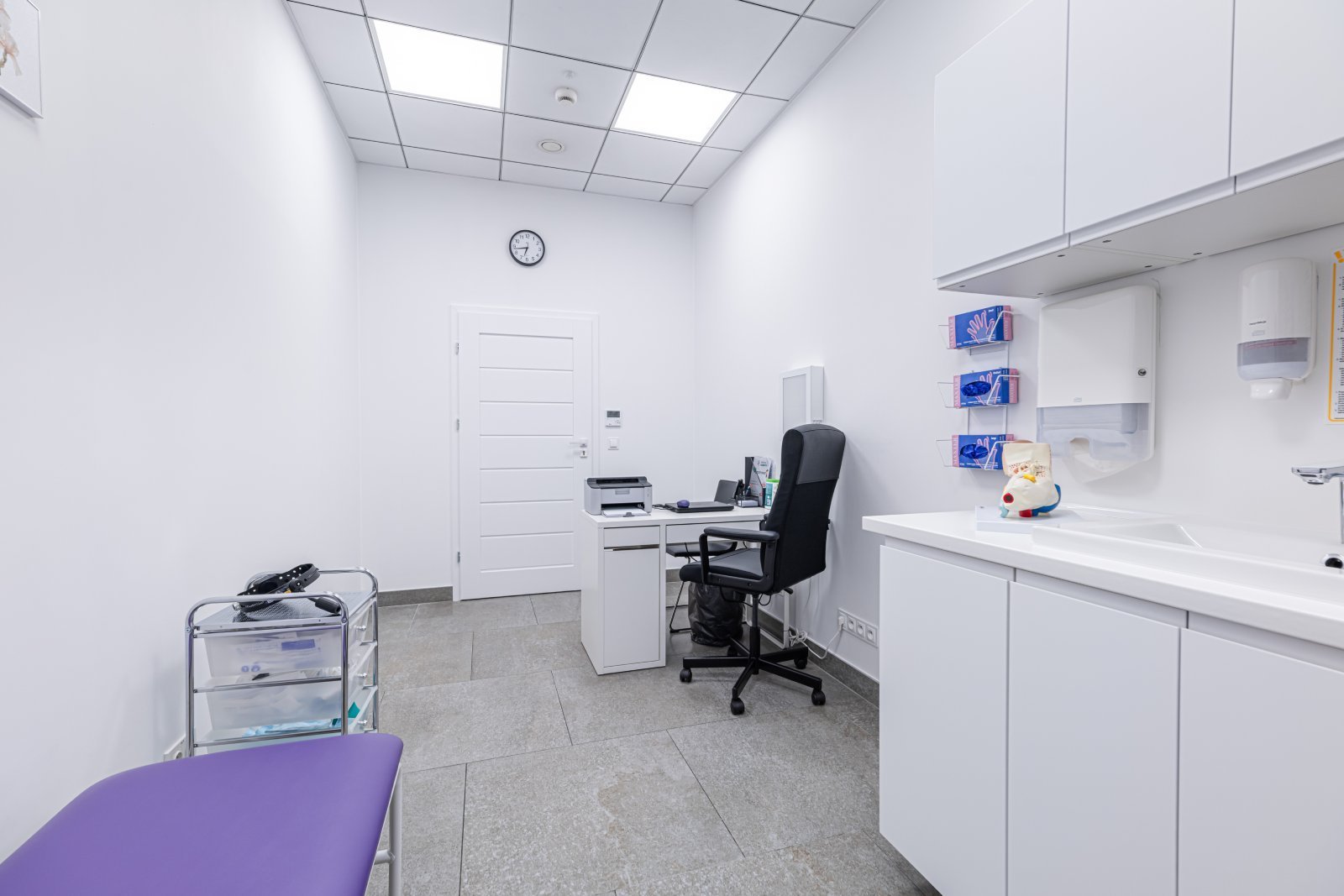
Modern design of a medical center includes many components: from the choice of color scheme to the technological equipment of the premises. Modernity does not mean rejecting the classics, but it implies the integration of innovative solutions and materials.
This may include the use of smart technology to control the climate in the room, quick patient registration systems, the use of ergonomic furniture and devices that improve accessibility for people with disabilities. In addition, it is important to create a space that promotes quick recovery of patients, which is achieved through the use of natural materials, sufficient light and elements of nature in the interior.
What does the design of healthcare facilities take into account?
Numerous factors are taken into account when designing a medical facility. The safety of patients and staff is at the top of the list. This means not only complying with building codes and regulations, but also providing for quick access to emergency equipment. In addition, visitors of all ages and physical abilities must be comfortable. The spatial design should facilitate easy movement between different departments and services, minimizing waiting times and increasing overall satisfaction with services.
Key elements of healthcare facility design
Looking at the key elements, the following points should be emphasized:
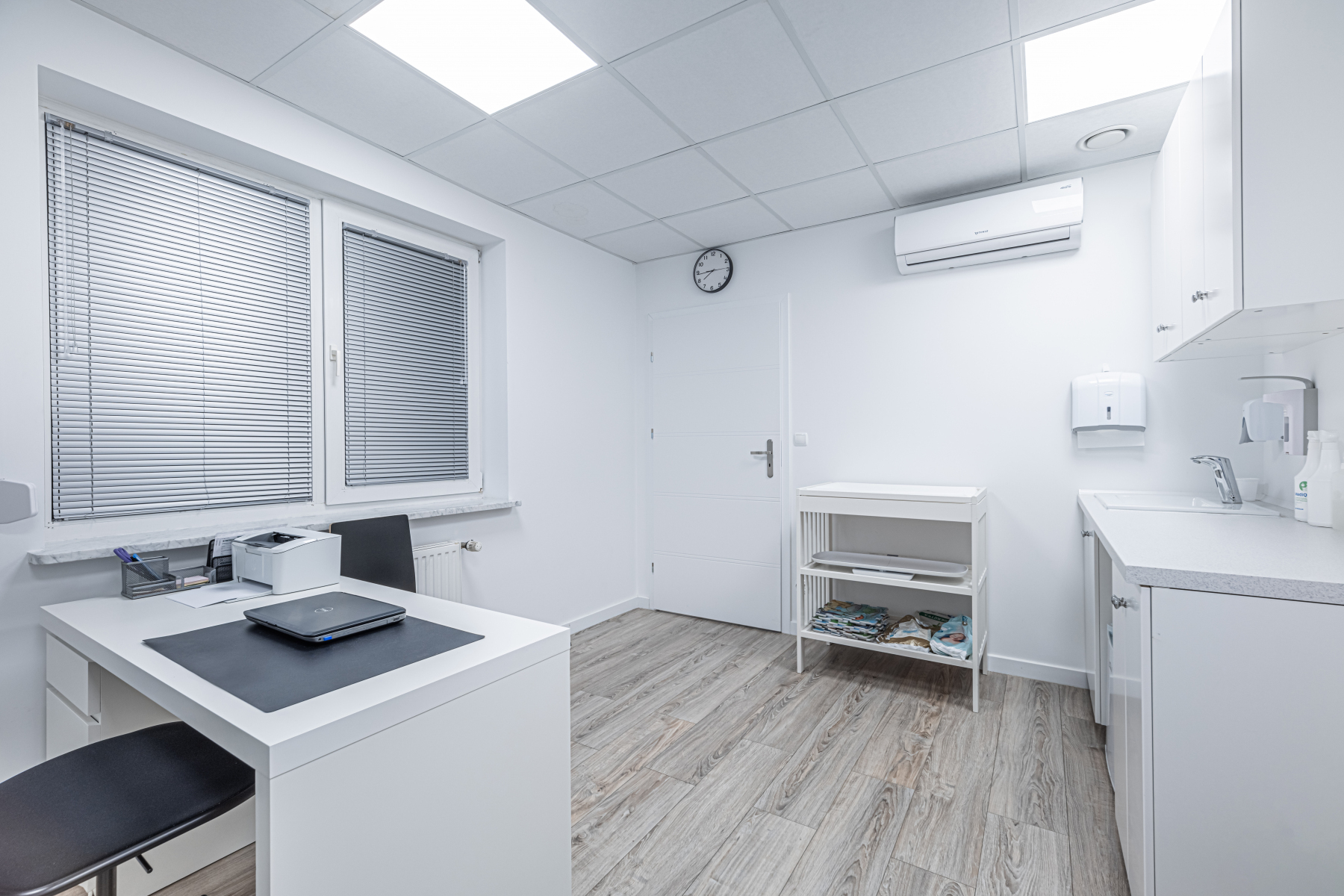
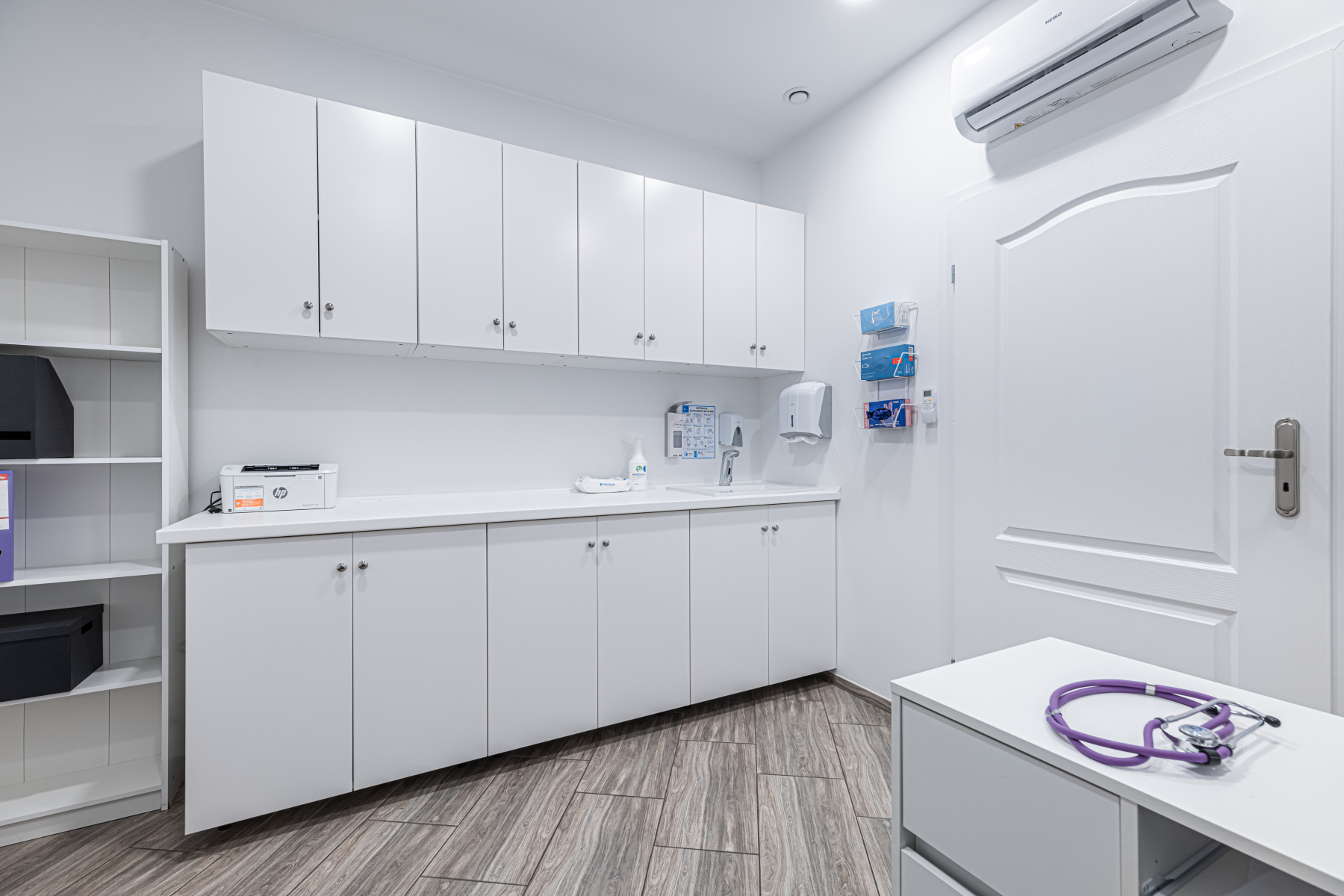
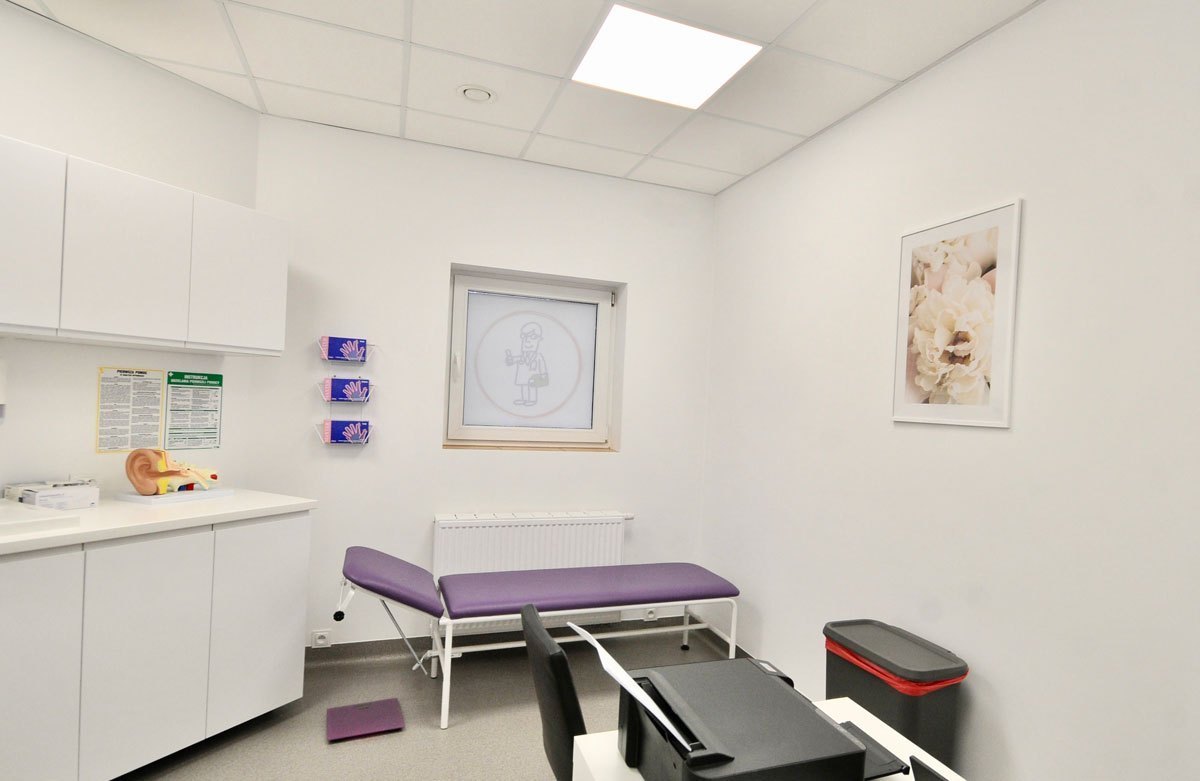
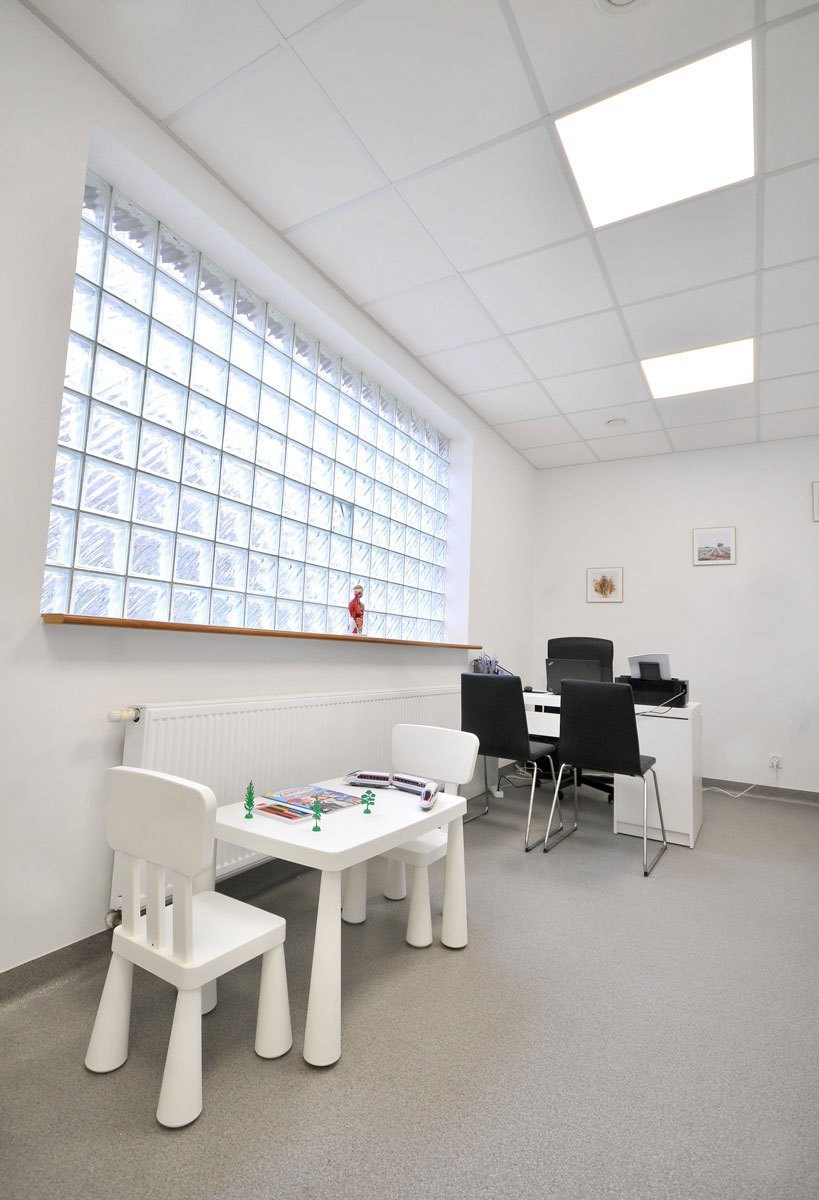
- Color Palette: The choice of color affects not only the perception of the space, but also the psychological well-being of patients. Warm, soothing subtle shades reduce stress levels, while cool colors promote an atmosphere of cleanliness and freshness.
- Lighting: Lighting should be as close to natural light as possible. Proper lighting improves the mood of patients and the performance of medical staff.
- Furniture and equipment: Everything should not only be functional and comfortable, but also safe to use. Investing in quality furniture and equipment can significantly increase satisfaction with services.
Classic style medical center design
The classic style in medical center design remains popular because of its timelessness and elegance. It involves the use of time-honored materials such as wood and stone, as well as a restrained color palette. Classic design implies symmetrical compositions and spatial solutions that promote order and a respectful atmosphere. However, even when focusing on tradition, one should not forget the need to integrate modern technology and meet modern standards of quality and safety.








 Telegram
 Whatsapp