
 Pl
Pl Ru
Ru Uk
Uk
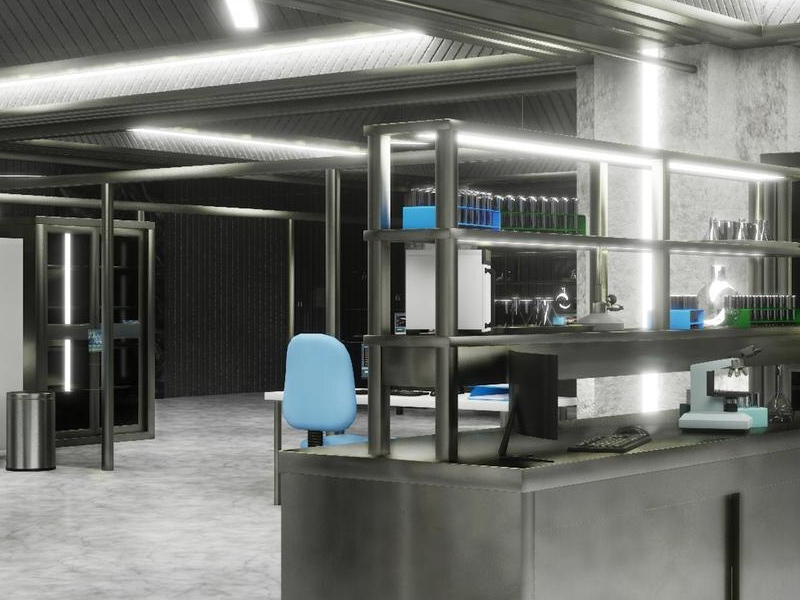
Effective containment of contaminants directly at the chef’s workstation is the foundation of cleanliness, safety, and high productivity in any catering establishment. Food preparation inherently involves the intense release of steam, aerosolized grease, heat, and combustion byproducts. A reliable commercial kitchen exhaust hood serves as the primary protective barrier, capturing airborne hazards at the point of origin and preventing their dispersion into adjacent spaces.
The Role and Significance of Exhaust Hoods in Modern Commercial Kitchens
A high-performance commercial exhaust hood rapidly evacuates grease vapors, carbon monoxide, and excess heat, maintaining a safe working environment in professional kitchens. It protects expensive cooking equipment from overheating and corrosion, mitigates overall HVAC system loads, and helps hospitality businesses optimize climate control operating expenses.
This technical solution is mandatory for the compliant operation of any hot cookline. Without localized capture systems, kitchen operations become unfeasible due to rapid grease accumulation on interior surfaces.
Overview of Commercial Kitchen Exhaust Hood Types and Applications
Manufacturers provide diverse configurations of catering exhaust hoods, differing by mounting style, airflow distribution patterns, and integrated mechanical components. Selecting the proper unit configuration directly governs room aerodynamics and total ventilation efficiency.
Wall-Mounted Exhaust Hoods — A Classic, Proven Solution
For cooklines situated along structural walls, wall-mounted canopy hoods are the industry standard. Featuring sloped or box-style profiles, these hoods offer straightforward installation, rigid wall anchoring, and unobstructed access to cooking appliances. Back-wall proximity enhances thermal plume capture efficiency, requiring lower overall exhaust airflow rates than open island configurations.
Island Canopy Hoods for High-Volume Central Cooklines
For double-sided or freestanding central cooking batteries, island canopy hoods are utilized. Suspended from the ceiling and open on all sides, these configurations deliver an expanded capture envelope. To prevent ambient cross-drafts from spilling thermal plumes past grease filters, island hoods require rigorous air balancing and larger dimensional overhangs past the cookline footprint.
Integrated Fan Units vs. Central Duct-Connected Models
Self-contained exhaust hoods featuring integrated extraction fans are equipped with dedicated internal motors, making them ideal for food trucks or compact cafes lacking centralized ventilation risers. Passive models without internal motors operate with lower ambient noise and simplify routine cleaning, connecting directly to remote roof- or wall-mounted exhaust fans through ducted networks.
This structural differentiation provides architectural flexibility during HVAC layout planning, enabling engineers to match the equipment profile to structural constraints during early design phases.
Extract-Only vs. Compensating Supply-Air Hoods
Standard extract hoods strictly exhaust contaminated air, whereas compensating (supply-air) hoods simultaneously deliver tempered make-up air via integrated face or perimeter discharge plenums. This offsets exhaust volumes, provides targeted spot-cooling for kitchen staff without introducing disruptive drafts, and creates an aerodynamic curtain around cooking surfaces that locks in odors. Integrating make-up air directly into hood canopies reduces the burden on general kitchen HVAC units, saving venue owners capital expenditure on separate supply systems.
Why Stainless Steel Construction Is the Mandatory Industry Standard
Commercial exhaust hoods manufactured from heavy-gauge stainless steel (grades AISI 304 or AISI 430) represent the universal engineering benchmark for food service environments. Stainless steel exhibits exceptional resistance to corrosion, elevated temperatures, food acids, and aggressive chemical detergents. Its non-porous, smooth finish resists structural fatigue, prevents bacterial colonization within grease residues, and withstands high-pressure steam sanitation, ensuring long-term hygiene compliance.
Commercial Exhaust Hoods, Fire Protection, Sanepid Regulations, and the EN 16282 Standard
The design and engineering of commercial kitchen extraction systems are strictly governed by the EN 16282 standard, which mandates certified stainless steel baffle filters to prevent open flames and sparks from penetrating exhaust ductwork. Polish sanitary regulations (Sanepid) require the complete evacuation of grease aerosols and fully welded, leak-proof internal joints to prevent liquefied grease from dripping onto prep surfaces.
HACCP Compliance and Fire Safety Directives
HACCP regulations require commercial hood geometries to eliminate any risk of food contamination, specifying tool-free, easily removable grease filters for daily sanitation cycles. Fire safety codes strictly dictate that solid-fuel cooking appliances (such as charcoal ovens, Josper grills, and open barbecues) incorporate water-wash spark arrestors, pitched collection troughs for grease drainage, and routine duct cleaning schedules to mitigate duct fire hazards.
Compliance with these safety standards is rigorously inspected during scheduled authority audits. Installing compliant filtration systems and adhering to maintenance protocols protects hospitality operators from regulatory fines and forced operational shutdowns.
Sizing and Airflow Specification for Commercial Kitchen Exhaust Hoods
Engineering errors during equipment sizing lead either to chronically overheated kitchen environments or substantial energy wastage. Proper sizing is calculated by MEP engineers based on total thermal input and appliance fuel ratings. Key calculation inputs include:
- simultaneous diversity factors of all cooking equipment;
- fuel source characteristics (gas, electric, or solid fuel);
- sensible and latent heat emission rates.
Exhaust fan capacity must fully match the convective thermal plume ascending from cooklines. Substandard capture velocities allow thermal updrafts to spill into surrounding kitchen areas, while excessive velocities disrupt open burner flames on gas ranges and cool plated meals prematurely.
Key Technical Parameters — What to Evaluate Prior to Procurement
When selecting a specific hood assembly, equipment specification sheets must be thoroughly reviewed. Commercial hood dimensions and parameters should align with layout requirements based on:
- overall dimensions (length, width, height) and overhang margins (minimum 100 mm past the appliance footprint on all exposed sides);
- aerodynamic static pressure drops across clean and loaded baffle grease filters;
- spigot collar count, diameter, and placement for balanced duct connections;
- pitch and storage capacity of internal perimeter grease gutters and removable collection cups.
Integrated heat- and moisture-resistant LED task lighting is equally essential for workplace visibility.
Advanced Control Technologies, Routine Servicing, and Equipment Preservation
Modern commercial extraction systems incorporate demand-controlled ventilation (DCV) technology. Advanced hoods utilize optical opacity and temperature sensors that continuously adjust fan speeds according to live cooking activity—scaling down when appliances idle and ramping up during peak grilling cycles. This automated modulation achieves up to 40% in HVAC electrical savings.
Routine maintenance of commercial kitchen exhaust hoods is an essential operational protocol, encompassing:
- daily washing of baffle grease filters using professional degreasing agents;
- draining and sanitizing grease collection channels and removable cups;
- evaluating perimeter seals and checking integrated fire suppression system nozzles;
- periodic deep chemical degreasing of internal canopy surfaces to prevent solidified grease buildup.
Systematic preventive maintenance and proper seasonal mothballing prevent premature mechanical failures, ensuring optimal capture performance across long operational lifecycles.
Why Choose EUROMED-BUD for Commercial Exhaust Hood Supply and Installation
Commercial kitchen ventilation engineering requires specialized expertise in sanitary standards and life-safety codes. EUROMED-BUD provides comprehensive MEP engineering, equipment supply, and turnkey installation services for the food service sector. Our specialized kitchen ventilation installation services in Warsaw guarantee durable, safe, and code-compliant operation for your culinary operations.
Contact EUROMED-BUD Engineering Specialists for Turnkey Installation
Do not compromise the environmental safety and regulatory standing of your kitchen. Errors in commercial exhaust installation risk costly Sanepid penalties and operational disruptions. Contact EUROMED-BUD via phone or submit an inquiry through our website for an expert engineering consultation.
Our team will determine optimal equipment layouts, execute precise aerodynamic airflow calculations, and carry out turnkey mechanical installation to ensure seamless operational launches and lasting commercial success.
Frequently Asked Questions (FAQ)
How is required exhaust hood airflow calculated based on cooking equipment power?
To calculate hood extraction volume, engineers multiply the hood capture surface area by regulatory face capture velocities (0.25 to 0.4 m/s). This baseline is then adjusted for equipment categories: high-emission appliances like deep fryers, woks, and chargrills require significantly higher extraction allowances than standard induction ranges.
Does a commercial exhaust hood lower ambient kitchen temperatures?
An exhaust hood does not mechanically cool ambient air on its own; rather, it removes convective thermal plumes and steam rising from cooklines, preventing radiant heat buildup across the room. Actual temperature reductions require pairing the extraction system with dedicated make-up air ventilation that introduces cooled supply air or integrating supplementary kitchen air conditioning.
Which exhaust hood type is recommended for high-heat pizza ovens?
Deck and conveyor pizza ovens require specialized deep-canopy hoods engineered with heavy-gauge reinforcement. Because pizza ovens discharge dry, high-temperature heat bursts each time doors open, the hood requires an extended front overhang and heightened canopy profile to capture these sudden thermal surges effectively.
What is the difference between an exhaust hood with an integrated fan and a ducted central system?
Self-contained exhaust hoods include a built-in motorized fan that discharges air outside along short, dedicated duct paths. Motorless passive hoods tie into a central building duct riser powered by an external fan, significantly minimizing ambient noise levels inside the kitchen workspace.
Why Choose EUROMED–BUD

of services
Quality assurance
Creation of individual projects.
Recommendations in the selection of materials


Order a project
- Free site visit and consultation
- Recommendations from experienced professionals
- Selection of quality materials
- Optimization of the budget for implementation

About us
- Full cycle of works and engineering control. When one organization does everything, customers are calmer!
- Quick cost calculation. We spend 30% less client time than the industry average.
- We maintain the high quality and reliability of services. Examples of specific objects already put into operation.


- The use of not new-fangled expensive materials, but proven and profitable solutions. Guaranties for all types of work!
- Fixed cost of services, which will not change! Drawing up estimates and signing the contract before starting work.
- Lack of random people in the team. We have very smart guys working for us, and they become even smarter every year.
How do we work?

We accept an application and contact the customer

We draw up an estimate and agree on the cost

We approve the work schedule and sign the contract

We deliver materials and get to work

We clean up after ourselves and put the object into operation
Do you have any further questions?

- If you have any questions, please feel free to write or call us. If you do not receive an immediate response, your application is being processed.
- We maintain constant contact with our clients and customers. It is possible to contact various divisions of the company by e-mail or by phone.
- Information about all our promotions and discounts is posted on social networks. Please follow us so you don't miss anything!
 Telegram
 Whatsapp