
 Pl
Pl Ru
Ru Uk
Uk
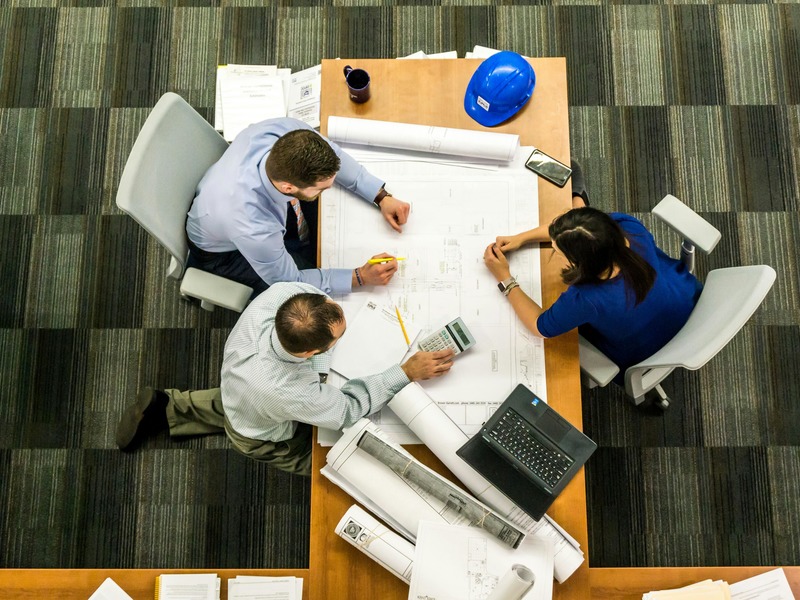
In today’s fast-paced world of science and technology, medical construction is not left behind. Modern construction technologies are playing a key role in creating next-generation medical facilities that can provide high-quality services while reducing costs and environmental impact. These technologies not only improve the efficiency and safety of care, but also contribute to a more comfortable environment for patients and medical staff.
Top 5 construction technologies in healthcare
Modular construction
Modular construction is a method in which buildings are assembled from pre-fabricated modules, which significantly shortens construction time and reduces site waste. In healthcare facilities, it allows for rapid expansion or modification of facilities in response to changing needs without significant interruption to facility operations. For example, in the COVID-19 pandemic, modular construction was used to create emergency isolation wards and vaccination centers.
Smart Buildings and IoT (Internet of Things)
The integration of smart building and IoT technologies in healthcare facilities is leading to a revolution in management and maintenance. Automation systems can control climate, lighting, and even access to rooms, ensuring the safety and comfort of patients and staff. In addition, using IoT devices to monitor patient conditions in real time allows medical staff to respond quickly to any changes.
Sustainable construction
Sustainable or green construction involves the use of materials and technologies that reduce the environmental impact of buildings and improve their energy efficiency. In healthcare facilities, where energy consumption is traditionally high, this approach can lead to significant reductions in energy and water costs, as well as a smaller carbon footprint.
Biophilia in design
The concept of biophilia, based on incorporating elements of nature into design and architecture, is gaining popularity in healthcare facilities. Studies show that the presence of natural elements such as plants, water and natural light can improve patient well-being, speed recovery and reduce stress levels in both patients and medical staff.
Flexible and adaptive spaces
Building healthcare facilities with flexibility and adaptability in mind allows spaces to be quickly reconfigured or reassigned based on current needs. This is especially important with rapidly changing medical technologies and treatments. Examples include designs that allow for easy changes in the size and functionality of operating rooms, wards, and other key spaces.
The application of advanced construction technologies in the medical field opens up new opportunities to improve the quality of care and increase the efficiency of healthcare facilities. From modular construction to smart buildings and sustainable materials, all of these innovations are helping to create healthcare facilities that are not only efficient and safe, but also promote rapid patient recovery and overall well-being. In the future, we can only expect these trends to intensify as technology continues to evolve and find new applications in the construction of healthcare facilities around the world.
 Telegram
 Whatsapp