
 Pl
Pl Ru
Ru Uk
Uk
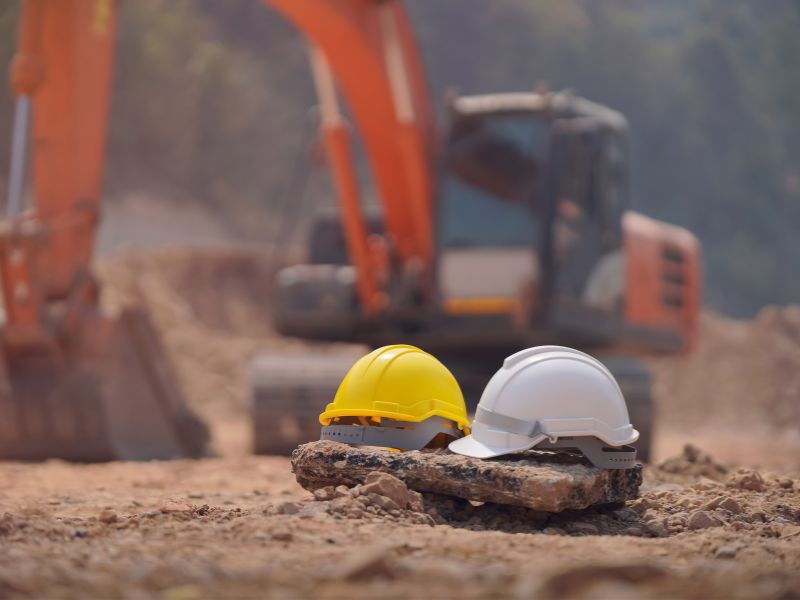
Quality and safety issues play a crucial role in modern construction. Robust quality management systems and advanced safety techniques not only ensure compliance with stringent standards, but also help to reduce workplace risks, minimize accidents and improve overall productivity.
Quality Management Systems
Definition and Role in Construction
Quality management systems (QMS) are structured processes and procedures designed to continuously improve the quality of products and services. In construction, these systems are often based on international standards, such as ISO 9001, which help companies systematize processes, reduce errors, and increase customer satisfaction.
Examples and Benefits
The use of QMS allows construction companies to control every stage of work, from the purchase of materials to the delivery of the project to the customer. For example, the use of ISO 9001 system on the construction site includes regular quality audits, assessment of compliance with construction norms and standards, as well as analyzing feedback from clients. This not only improves the quality of construction, but also optimizes internal processes, which in turn leads to shorter lead times and lower costs.
Practical Application
In practice, QMS implementation allows to identify and eliminate deficiencies at the early stages of the project, preventing them from progressing to the next stages. For example, in one of our projects, thanks to the active use of QMS elements, we managed to reduce the percentage of defects in the production of construction materials by 20%, which significantly improved the overall quality of the finished object.
Construction Site Safety Techniques
Basic Methods and Importance of Safety
On construction sites, workplace safety is a priority. Compliance with strict rules and regulations is necessary to protect the life and health of workers and site visitors. Key practices include strict adherence to safety standards, regular training of personnel, use of personal protective equipment, and monitoring of working conditions.
Innovative Technologies in Safety
Recently, innovative technologies have been actively introduced on construction sites. For example, the use of drones to monitor hard-to-reach areas allows for quick detection of potential hazards and taking action without risking the lives of workers. Video surveillance systems and motion sensors help monitor safety compliance in real time.
Regular Training and Briefings
A key aspect in maintaining a high level of safety is staff training. For example, our regular training sessions include instruction on first aid, the correct use of safety equipment and precautions when working at height. Such measures significantly reduce the risk of occupational injuries and promote a culture of safety at work.
Case Studies on Quality and Safety Improvement
Case Study
One of our major projects, the construction of a residential complex, was a prime example of the successful implementation of improved safety measures and quality management systems. The project involved the integrated use of QMS and the latest safety innovations, which not only accelerated the building a house but also significantly improved working conditions.
Results and Benefits
As a result of the implementation of improved management and safety systems, there have been no workplace injuries on site and the quality of construction has far exceeded the client’s expectations. This not only enhanced our company’s reputation, but also resulted in additional contracts for new projects.
Improving quality management systems and implementing advanced safety techniques on construction sites is key to the success of any project. These measures not only protect the lives and health of workers, but also contribute to improving the overall quality of construction work, building customer confidence and the sustainable development of the construction industry.
 Telegram
 Whatsapp