
 Pl
Pl Ru
Ru Uk
Uk
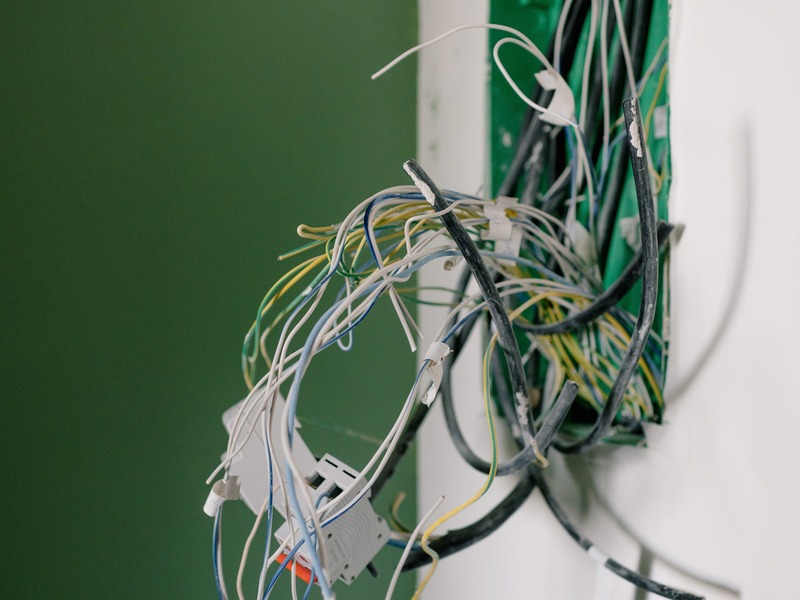
Often overlooked heroes in the complex tapestry of healthcare are the engineering systems that keep healthcare facilities running smoothly. From maintaining optimal temperatures to ensuring constant power, these systems are the unspoken guarantors of patient well-being. Let’s dive into the world of medical engineering systems and uncover the intricacies that make them indispensable.
Key components of medical engineering systems
At the core of the infrastructure of any medical facility are the key components of engineering systems. Heating, ventilation, and air conditioning (HVAC) systems, electrical systems, and plumbing form the backbone that supports life-saving activities in hospitals and clinics.
Regulatory standards in medical engineering
The precision required in medical procedures extends beyond the operating room to the engineering systems that support these facilities. International and local regulatory standards set the bar, ensuring that these systems meet strict criteria for reliability and safety.
Health and Safety
In the healthcare industry, safety is non-negotiable. Medical engineering systems play a key role in creating and maintaining a safe environment for patients, medical staff and visitors. From fire safety measures to infection control, these systems stand guard for well-being.
Integrating technology into medical engineering
The dynamic nature of technology finds a wide range of applications in medical engineering. From advanced diagnostic equipment to intelligent building management systems, technology integration is changing the landscape, increasing efficiency and improving patient care.
Energy efficiency in healthcare facilities
The healthcare sector recognizes the importance of sustainable practices. Engineers are focusing on energy efficient solutions, implementing strategies that not only reduce costs, but also contribute to a greener and more sustainable future.
Challenges facing engineering systems in medicine
Like any complex system, medical engineering faces challenges. Downtime, equipment failures, and adapting to evolving medical technologies are all obstacles that must be carefully overcome. However, it is by overcoming these challenges that the industry continues to evolve.
Case studies
Success case studies provide insight into how advanced engineering systems can significantly impact the functionality and efficiency of healthcare facilities. Real-life examples demonstrate the potential benefits of investing in advanced technology.
Training and education of medical engineers
The professionals responsible for designing, implementing and maintaining these systems are highly trained professionals. Ongoing education and training keeps them up-to-date, contributing to the continuous improvement of medical engineering practice.
Future Trends in Medical Facility Engineering
As technology continues to advance, the future of medical facility engineering looks promising. Robotics, artificial intelligence, and data analytics have the potential to revolutionize the way healthcare facilities operate, improving patient care and optimizing resource utilization.
Collaboration between medical and engineering professionals
Synergy between medical and engineering professionals is critical. Effective collaboration ensures that the unique needs of healthcare facilities are met, while also addressing the practical aspects of implementing and maintaining complex engineering systems.
Keeping costs in mind when implementing engineering systems
While the benefits of advanced engineering systems are undeniable, the financial aspect cannot be ignored. Finding a balance between advanced technology and cost-effectiveness is a delicate task that requires strategic planning and accounting.
Practicing sustainability in medical engineering
The healthcare industry’s commitment to sustainability is reflected in the practice of medical engineering. From green building materials to energy efficient systems, everything is aimed at minimizing environmental impact while maintaining optimal functionality.
Global perspectives on medical engineering standards
Engineering standards vary around the world, and understanding these differences is essential for professionals working in the medical sector. A comparative analysis sheds light on how different regions approach and implement engineering standards in healthcare facilities.
The role of engineering systems in healthcare facilities cannot be overemphasized. From the foundation of the building to the complex equipment inside, these systems form the backbone that supports the delivery of quality healthcare. As we look to the future, collaboration between medical and engineering professionals will continue to shape innovative solutions, ensuring the smooth operation of healthcare facilities around the world.
 Telegram
 Whatsapp