
 Pl
Pl Ru
Ru Uk
Uk
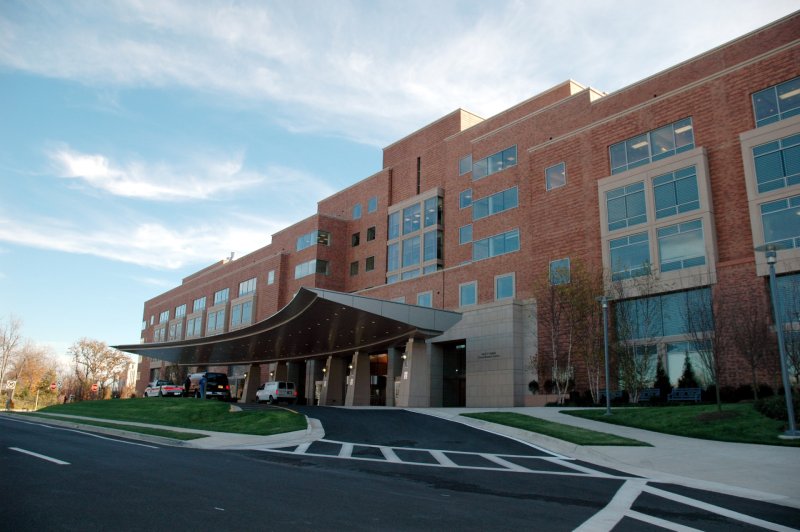
Medical clinics play an important role in ensuring the health and well-being of patients. In addition to providing quality medical care, safety and fire safety are also important aspects to consider. In this article, we will look at safety and fire safety in medical clinics and recommendations for improvement.
The role of safety in medical clinics
Safety is a top priority in medical clinics. This includes protecting patients, staff and visitors from various types of hazards, including accidents, workplace incidents and criminal acts. Safety management should be integrated into all aspects of the clinic’s operations, from construction and facility organization to staff training and the development of safety policies.
The importance of fire safety
Fire safety is a particularly important aspect of safety in medical clinics. Because of the presence of medications, chemicals, and electrical equipment, clinics can be at increased risk of fire. Fire safety violations can have serious consequences, including endangering the lives of patients and staff as well as destroying property.
Overview of regulations and requirements
Various regulations and requirements exist to ensure safety and fire safety in medical clinics. Here are some of them:
Building and space organization requirements
Certain safety standards must be met in the design and construction of clinical facilities. This includes the proper placement of emergency exits, providing access for the disabled, installing emergency lighting and fire alarms.
Evacuation Plan
Clinics should have an evacuation plan developed and regularly exercised in the event of a fire or other emergency. This plan should include information on evacuation routes, gathering places, and emergency contact information.
Firefighting Equipment and Systems
Medical clinics should be equipped with appropriate firefighting equipment and systems. This includes the installation of fire detectors, fire extinguishers, fire suppression systems, and automatic fire doors.
Training and Practical Skills
Clinic staff must be trained and equipped with the necessary practical skills to respond to emergencies. This includes training in fire safety, evacuation, use of firefighting equipment, and first aid.
Raising Safety Awareness
Safety awareness is a key factor in ensuring safety in medical clinics. Here are some recommendations for increasing safety awareness:
Alert and communication systems
Clinics should have effective alerting and communication systems for their staff. This can include the use of emergency alerts, intercoms and mobile devices for emergency communication.
Staff and public training
Regular safety training for staff and the public is an important aspect of raising awareness. Conducting drills and training programs helps staff and visitors be prepared for possible emergencies.
Developing clear safety policies
Medical clinics should develop a clear safety policy that defines safety expectations and standards. This should include policies and procedures for clinic staff and visitors.
Quality standards and certification
There are quality standards and certification requirements to ensure the safety and fire safety of medical clinics. Here are some of them:
Medical facility certification
Medical clinics can obtain certification to ensure that they meet certain quality and safety standards. For example, ISO 9001 certification ensures that the clinic follows the principles of a quality management system.
International standards
Some international organizations develop safety standards for medical facilities. For example, Joint Commission International (JCI) sets international standards for the safety and quality of medical clinics.
Regulation by Governmental Authorities
State health authorities also set safety and fire safety requirements for medical clinics. These requirements may vary from country to country and region to region.
Role of staff in safety
The staff of medical clinics plays an important role in ensuring safety. They must be trained in safety rules and procedures and be aware of their responsibility for the safety of patients and themselves. Staff must be alert to potential hazards and respond immediately to any incidents or unusual events.
Concept of Continuous Improvement
To ensure a high level of safety and fire safety, medical clinics must follow the concept of continuous improvement. This includes continuous review and evaluation of safety systems, updating policies and procedures, and training staff on new standards and requirements.
Safety and fire safety play a critical role in medical clinics. This requires compliance, awareness, policy development, and staff training. Maintaining high safety standards in clinics promotes the safety of patients, staff, and visitors, and maintains the clinic’s reputation as a reliable and responsible institution.
 Telegram
 Whatsapp