
 Pl
Pl Ru
Ru Uk
Uk
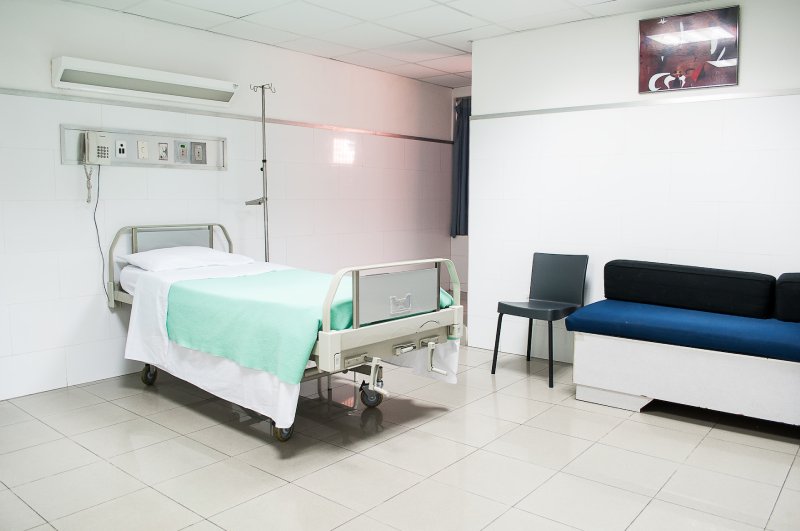
The construction and renovation of medical clinics is a complex and multi-process process that includes several major steps. Each of these stages plays an important role in creating a modern and functional medical facility. In this article, we’ll look at the major steps in managing the construction and renovation of medical clinics in more detail.
Planning and design
One of the key stages of medical clinic construction and renovation is planning and designing. In this stage, the requirements of the clinic are determined, the construction site is analyzed, and designs and sketches of the future facility are developed.
Determining the requirements of the clinic
Before the construction or renovation of a medical clinic begins, the requirements and needs of the clinic itself must be determined. This includes determining the floor space, required functional areas, equipment and other factors that will affect the layout and design of the clinic.
Analysis of the construction site
After determining the requirements of the clinic, a site analysis should be conducted. This assesses the accessibility of the site, site features, infrastructure, and other factors that may affect the construction and operation of the clinic.
Design and sketching
Based on the defined requirements of the clinic and the analysis of the site, a design for the medical clinic is developed. In this stage, architectural plans, room layouts, utilities systems and other necessary documents for the construction or renovation of the clinic are created.
Procurement and logistics
Once the planning and design phase is complete, the procurement and logistics process begins, which includes selecting suppliers and contractors, entering into contracts and agreements, and managing logistics and supplies.
Selecting Suppliers and Contractors
When selecting suppliers and contractors to build or renovate a medical clinic, consider their reputation, experience in the industry, and the quality of services and goods offered.
Contracting and Agreements
After selecting suppliers and contractors, contracts and agreements follow, defining the terms of cooperation, work schedules, costs, and other important aspects of the project.
Logistics and supply management
Management of logistics and supplies plays an important role in the effective implementation of a clinic construction or renovation project. It is necessary to control the supply of materials and equipment, monitor the timing and quality of delivered goods.
Construction and repair
This stage involves the physical construction or repair of the medical clinic. Organizing the construction process, controlling the quality of work, and managing the budget and timeline are key aspects of this phase.
Organizing the construction process
The organization of the construction process includes planning the work, coordinating the activities of various contractors, and controlling the execution of the work according to the design and schedule.
Quality control
Quality control is an inseparable part of construction or repair of a medical clinic. It is necessary to check the compliance of performed work with the design and requirements, as well as control the quality of materials and equipment used.
Budget and schedule management
Managing the budget and timeline is an important task when building or renovating a medical clinic. It is necessary to monitor spending, control budget constraints, and manage project timelines.
Furnishings and finishing
Once the clinic is completed or renovated, it is necessary to equip it with the necessary medical equipment and furnish the rooms. Selecting medical equipment, interior design, and ensuring ergonomics and safety are key aspects of this phase.
Choice of medical equipment
When choosing medical equipment for the clinic, one should consider its quality, functionality, compliance with medical standards and needs of the clinic.
Interior design and decoration
The interior design and decoration of medical clinic premises play an important role in creating a comfortable and pleasant atmosphere for patients. The requirements of aesthetics, functionality and hygiene must be considered in the design and choice of finish materials.
Ergonomics and safety
When equipping the clinic and conducting the finishing, attention must be paid to ergonomics and safety. This includes placement of equipment, organization of workstations for medical staff, and ensuring patient safety and sanitation compliance.
In conclusion, managing the construction and renovation of medical clinics is a complex and multi-process process that requires detailed planning, a professional approach and coordination of the various stages. Proper execution of each of these steps allows for a modern and functional medical facility capable of providing a high level of medical care.
 Telegram
 Whatsapp